Spinning Mill
Forum for Textile Culture
The four-storey brick building of the former Herding spinning mill is a typical example from the heyday of the textile industry in Bocholt. In 1907, the company owners had the building constructed on the banks of the River Aa, complete with a grand façade and an imposing water tower. With almost 600 looms and 23,600 spindles, the Herding ‘Spinnweb’ was for a long time one of Bocholt’s largest textile mills. Today, the LWL Museum in the building hosts exhibitions on the history of fashion and demonstrates machinery in action.
Discover the building and the permanent exhibition on our 360-degree tour (above).
Parcours de la Mode
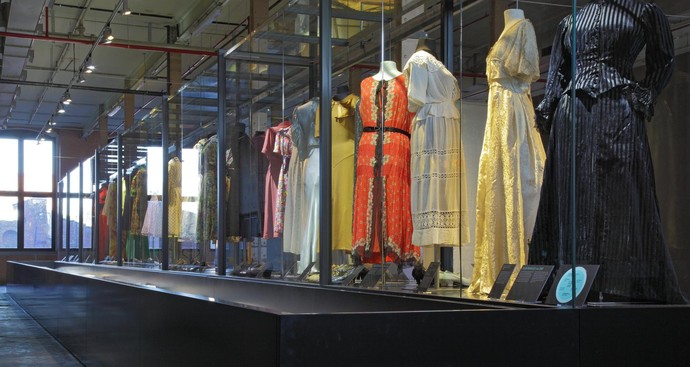
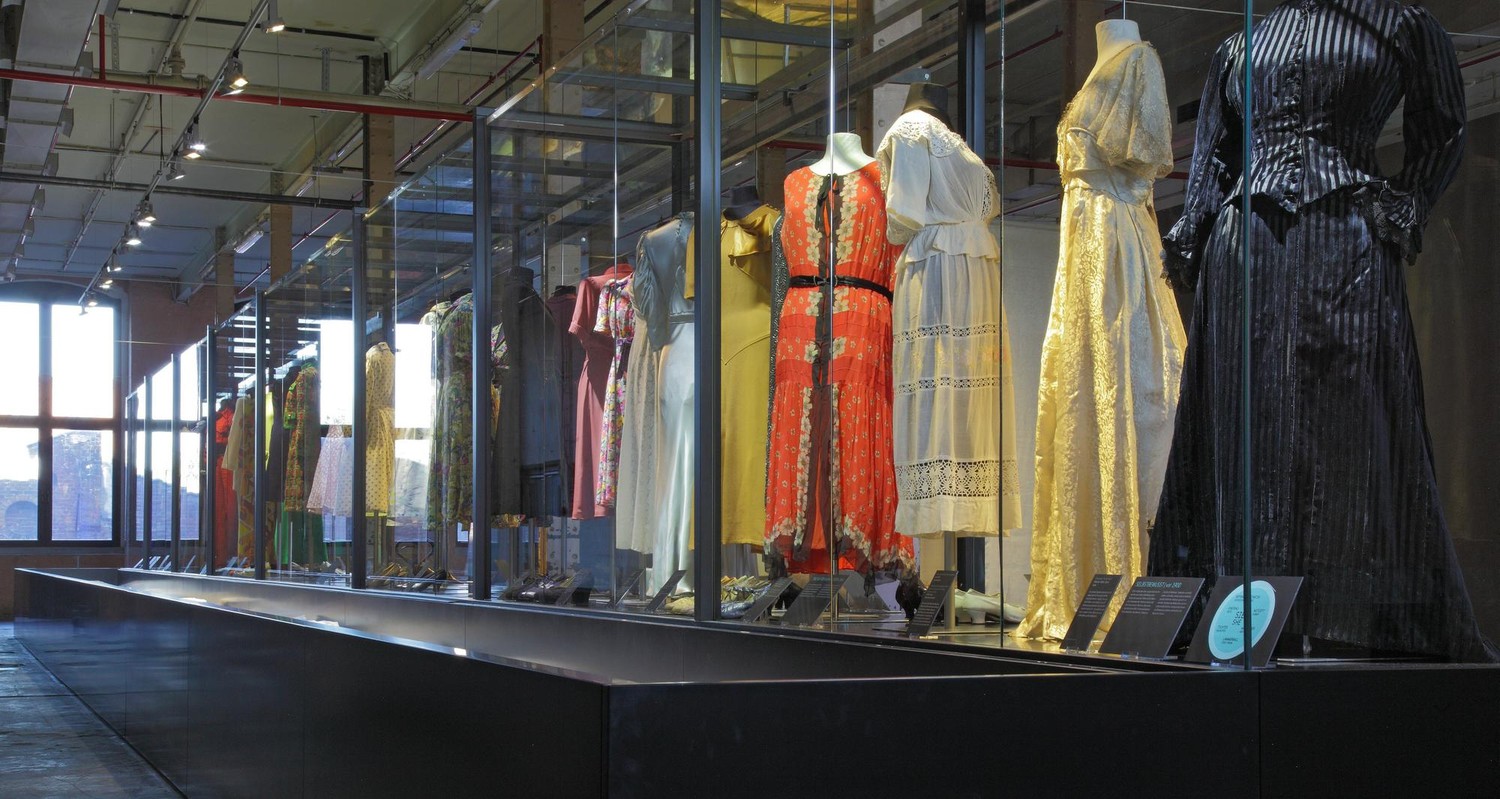
On the ground floor of the Spinnerei is a ‘Parcours de la Mode’: in a 23-metre-long display case designed as a catwalk, historical garments and shoes, as well as textile sample books, take visitors on a colourful journey through more than 100 years of fashion trends. The oldest item, a black bustle dress, dates from 1885. This part of the exhibition will be constantly evolving: new items from the collection’s extensive holdings will regularly be brought to life on the catwalk, demonstrating just how diverse the world of fashion was and remains.
The Makers and the Spinning Mill

In the Flyersaal on the first floor, the LWL Museum showcases, in an authentic setting, the significance of textile entrepreneurs and the cotton mill – a subject rarely featured in exhibitions. The exhibition highlights the economic context and focuses on the ‘makers’ and the everyday lives of the entrepreneurs. Some of the machines are in operation, bringing a piece of the region’s textile history to life.
Visitors can view more than 500 exhibits spread across 1,300 square metres. Taken together, they illustrate that the areas of activity of textile entrepreneurs in Westphalia – and particularly in the Westmünsterland region – have hardly changed over the past 150 years.
On display, for example, is a desk belonging to the textile entrepreneur Carl Herding, which he purchased at the start of the 20th century and used for many decades. The purchase of a second-hand concert grand piano, a mid-range Montblanc fountain pen, and portraits of entrepreneurs in oil – all exhibits that indicate that whilst the region’s ‘doers’ operated on global markets, they lived modestly at home.
At a modern multimedia station, 14 prominent business figures have their say. They talk about what drives them, about tradition, family and modern business practices.
Technology in action
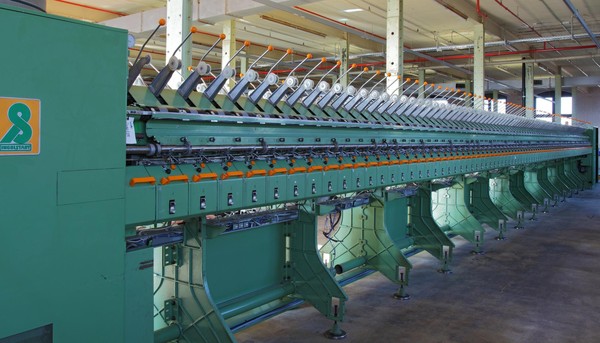
The Westphalian State Museum of Industrial Culture houses one of the largest collections of textile machinery in Europe. Some of these machines have undergone extensive restoration in recent years and are now on display in the new exhibition. The machines, which are up to just under 20 metres long – ranging from the opening frame dating from 1910 to the OE fine-spinning machine from 1986 – illustrate the process of producing cotton yarn.
Media terminals also show historical footage and explain how the spinning machines work. Some of these machines are also regularly demonstrated to visitors.
App: ‘Are you a doer?’
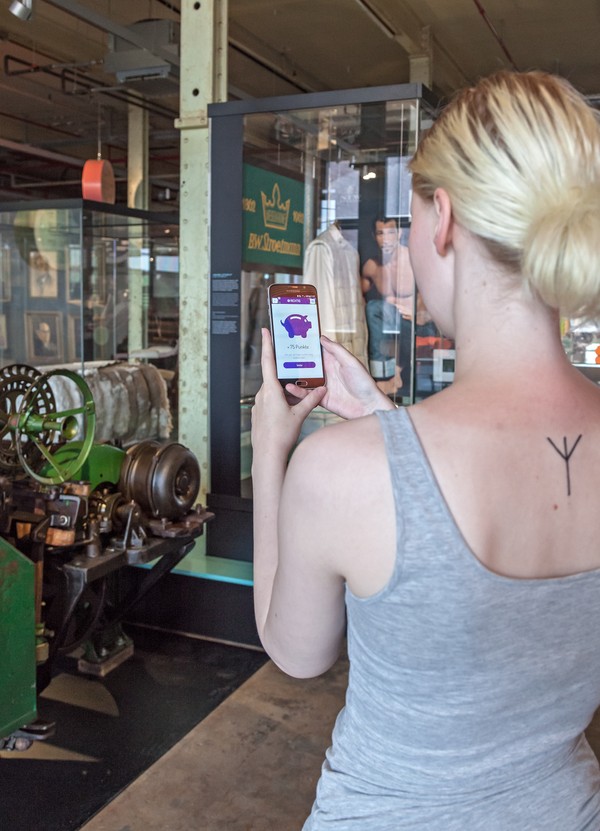
In the app game “Are You a Doer?”, museum visitors use their smartphone or tablet to step into the shoes of a budding textile entrepreneur – with the aim of making their own company as successful as possible. Along the way, they learn what really defined a successful Westphalian entrepreneur, how he made his decisions, and what influenced his life.
As potential “doers”, players are presented with tasks that can be completed whilst exploring the exhibition.
The game runs on the “Biparcours” app, which can be downloaded free of charge from the iOS and Android app stores (search for “Bist du ein Macher?”).
Guided tours
Find out more about our guided tours of the spinning mill.
Please note: These open tours are not available to groups.